
Do You Need RCD Protection for All Circuits?
Protecting your employees, customers and visitors is critical for meeting health and safety guidelines. Electrical safety requires putting protections in place that prevent fatal electric shocks, and the Residual Current Device (RCD) is one of the most pivotal life-saving devices.
According to the latest studies, it only takes 0.1-0.2 amps to kill a human. RCDs detect imbalances within circuits and automatically disconnect the electrical supply in milliseconds, which could save a life.
In this guide, we refer to the 18th Edition Wiring Guidelines to answer whether all circuits in your building require RCD protection.
Are RCDs mandatory in the UK?
Since 2008, all new and renovated homes have been required to install RCDs as standard. Since then, the UK has tightened these requirements, meaning that all domestic circuits must have an RCD installed as standard if the property will be rented out commercially.
In terms of commercial and industrial buildings, the regulations differ, but the fact is that most circuits will still require an RCD to be installed. Generally, the default position from most qualified electricians, including Wells Electrical Contractors, is that RCDs should be included as standard.
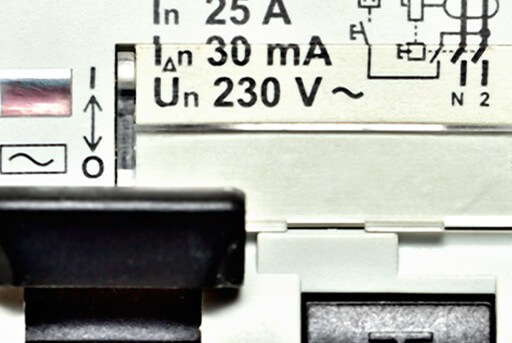
Do all circuits have to be RCD-protected?
Protecting your employees, customers and visitors is critical for meeting health and safety guidelines. Electrical safety requires putting protections in place that prevent fatal electric shocks, and the Residual Current Device (RCD) is one of the most pivotal life-saving devices.
According to the latest studies, it only takes 0.1-0.2 amps to kill a human. RCDs detect imbalances within circuits and automatically disconnect the electrical supply in milliseconds, which could save a life.
In this guide, we refer to the 18th Edition Wiring Guidelines to answer whether all circuits in your building require RCD protection.
Are RCDs mandatory in the UK?
Since 2008, all new and renovated homes have been required to install RCDs as standard. Since then, the UK has tightened these requirements, meaning that all domestic circuits must have an RCD installed as standard if the property will be rented out commercially.
In terms of commercial and industrial buildings, the regulations differ, but the fact is that most circuits will still require an RCD to be installed. Generally, the default position from most qualified electricians, including Wells Electrical Contractors, is that RCDs should be included as standard.
Insert Image
Book our Team of Experienced Contractors
Do you need RCD on every circuit to pass an EICR test?
The general rule of thumb is that RCDs are required on every circuit to pass your Electrical Installation Condition Report (EICR). Commercial landlords must hold a valid EICR by law for all properties rented out to tenants.
On the other hand, commercial properties don’t legally require an EICR. Still, it’s a helpful certificate because it demonstrates compliance with other health and safety legislation.

Requirements for RCD circuit protection in commercial settings
Our default advice is that RCDs should be installed as part of every circuit to get the maximum level of protection against electric shocks. Understanding where the law stands on the issue is also helpful for compliance.
In a nutshell, here are the current RCD circuit protection requirements for commercial buildings:
· Socket Outlets – Any socket outlet with a rating up to 32A should have RCD protection.
· Mobile Outdoor Equipment – If you’re using portable equipment outdoors, you’ll need RCD protection.
· Lighting Circuits – Nearly all commercial lighting circuits must have RCD protection. Generally, the only exception is for lighting circuits in restricted areas away from the general public.
· Risky Locations – All circuits in bathrooms, wet rooms, and circuits passing over these locations must have RCD protection because of the elevated risk. The same goes for external power supplies, construction sites, and agricultural locations.
· Wall-Installed Cables – All cables installed to a depth of under 50 millimetres in walls must have RCD protection. The only exception is if you’re utilising trunking or an earthed metal conduit.
Staying updated with these rules is complicated. After all, why should you know these requirements by heart if you’re not an electrician?
We understand that, which is why our qualified electrical contractors with decades of experience can perform a complete electrical safety audit of your building to pinpoint areas where you’re not complying.
Do you need RCD protection for lighting circuits?
The short answer is yes – RCD protection is mandatory for all lighting circuits in commercial buildings, and all RCDs must be installed and inspected by qualified electricians. Some minor exceptions exist, but the easiest way to deal with the RCD protection issue is just to install them as standard on all lighting circuits.
You may have read that the 18th Edition Wiring Requirements aren’t actually binding for businesses, and that’s true. However, RCDs are a part of legally binding laws, like the Electricity at Work Regulations 1989. For more information on RCD protection for lighting circuits in commercial environments, check out our in-depth guide.
The cost of non-compliance, especially if someone is injured or killed, is severe. Don’t take a risk by burying your head in the sand. With 65 years of experience, Wells Electrical Contractors are the experts in everything from RCD protection installation to testing.
To learn more about ensuring the highest electrical safety standards in your business, contact us today.