
Installing an Emergency Lighting System
Are you thinking about installing an emergency lighting system in your workplace? Emergency lighting saves lives by ensuring everyone can evacuate safely in a crisis.
Workplace fires are more common than you think, with 7,000 workplace fires reported in 2023/24. But although fires remain the biggest threat, even simple power cuts and emergency drills rely on emergency lighting to prevent serious injury.
At Wells Electrical Contractors, we know what it takes to install a robust and legally compliant emergency lighting system. With over 65 years of combined experience, we’re a CHAS and Construction Line-affiliated supplier of electrical systems that UK business owners can rely on. Here’s what you must know about installing an emergency lighting system.
Installing a new emergency lighting system: The basics
Emergency lights are legally required for most businesses in the UK. The regulations that govern this are the Regulatory Reform (Fire Safety) Order 2005 and various other forms of general health and safety legislation.
With that in mind, the success of your new emergency lighting system is all about planning. Unlike buying a new computer or coffee maker, there’s no such thing as a plug-and-go emergency lighting system. Each one is tailored to the company in question, which is why, before the installation begins, you must carry out a comprehensive risk assessment.
Planning your emergency lighting system installation

Before anything happens, you’ll need to map out what your emergency lighting system looks like to maintain compliance. A professional contractor will conduct a complete risk assessment of your business, accounting for the unique layout of your building.
Typically, there are three areas your initial plan hinges on:
1. High-Risk Areas – Identify the high-risk areas of the workplace, such as stairwells, narrow hallways, firefighting equipment, and potential bottlenecks in a panic.
2. Escape Routes – Emergency lights are designed to guide employees and customers alike to the nearest exit. Part of your risk assessment will be establishing all available escape routes from different parts of the building.
3. Open Areas – Open areas can quickly result in people becoming lost and confused when there’s a power cut. Emergency lighting must account for these open areas, including size and illumination levels.
All of these aspects will be accounted for during your risk assessment. It’s also an opportunity to ask questions and receive tailored recommendations from a professional.
Understanding what type of emergency lighting system your business needs
Different emergency lighting systems often make up the overall emergency lighting infrastructure. Typically, you’ll start by deciding between maintained systems, non-maintained systems, or both.
So, what’s the difference between the two?
1. Maintained Emergency Lighting – Maintained lighting operates as emergency and general lighting because it’s permanently switched on. During outages, they switch away from mains power and rely on battery power. They’re most commonly found in large public areas, including cinemas and shopping centres.
2. Non-Maintained Emergency Lights – Non-maintained lighting is only seen when there’s a power cut. Like maintained systems, they’re connected to the mains, but they’ll only be active when the power is cut and they’re forced to switch over to battery power.
Different workplaces need different solutions, and both systems offer benefits. Maintained lighting allows a sense of normalcy to reign to prevent panic during emergencies. In contrast, non-maintained lighting saves enormous amounts of energy because it only kicks in when necessary.
Of course, regardless of which system works best for your firm, there are different types of installations within each category. For example, these may include standardised LED lights or emergency exit signs positioned above escape routes.
The effectiveness of all emergency lighting depends on appropriate positioning, regular testing to ensure functionality, and adapting lighting systems to the evolving needs of your organisation.
Book your Emergency Lighting Installation Now
The emergency lighting system installation process
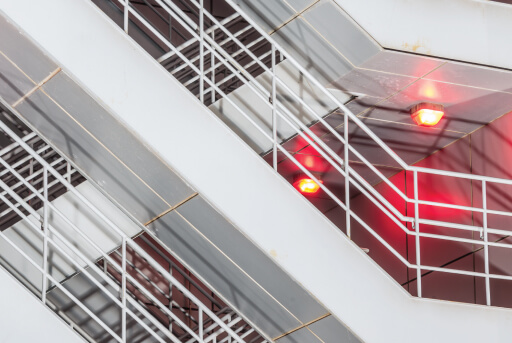
Every installation follows a defined stage after agreeing on the basic infrastructure. With Wells Electrical Contractors, we use defined phases to outline to you how it works. Although it might sound simple on paper, this is not something that should be done by anybody but a qualified electrician, even if you have DIY skills.
Not only is installing any electrical system inherently dangerous, but you could find yourself spending more later to fix any mistakes. Moreover, since emergency lighting systems are part of your business’s legal compliance, installation by an unqualified individual can create safety hazards, resulting in non-compliance.
Here’s what the installation process looks like.
Risk assessment and planning
The first stage is determining your organisation’s needs alongside one of our experienced contractors. We’ll walk through your business and provide customised recommendations for which emergency lighting installations work for you. It’s also an opportunity for us to inspect your existing electrical infrastructure.
Wiring and connections
The safety and reliability of an emergency lighting system depend on the quality of the wiring. Faulty electrical connections can spark and lead to fires. Moreover, there’s always the risk that poor-quality wiring will mean your emergency lights fail to work when you need them, which could put lives at risk.
Testing
Before marking an emergency lighting system as ready to be used, we test every aspect of the new system to ensure everything is working correctly. Note that this is in addition to the regular testing your firm is obligated to conduct every month and year.
Proper testing guarantees system readiness and alignment with the UK’s legal standards, including business insurance requirements.
Find out more about testing emergency lighting.
How much does emergency light installation cost?
The cost of installing emergency lighting depends entirely on your business. The larger your property and the more lights you require, the more it will cost. The age and complexity of the layout also influence the overall cost.
As part of your initial consultation, we can provide a quote for how much emergency lighting will cost your business. Unlike other providers, the price we provide is the price you actually get because we don’t incorporate hidden charges into our work.
Keep Compliant with Emergency Lighting Today
Emergency lighting installation with Wells Electrical Contractors
Emergency lighting is a legal requirement for practically every business in the country, with few exceptions. However, this requirement shouldn’t be seen as a box-ticking exercise but a genuine life-saving measure.
At Wells Electrical Contractors, our NICEIC-approved contractors have been installing emergency lighting for the UK’s business community for the past 15 years, including names like Smyths Toys. If you’re searching for a solutions provider who can tailor your installation to you, contact us today.